

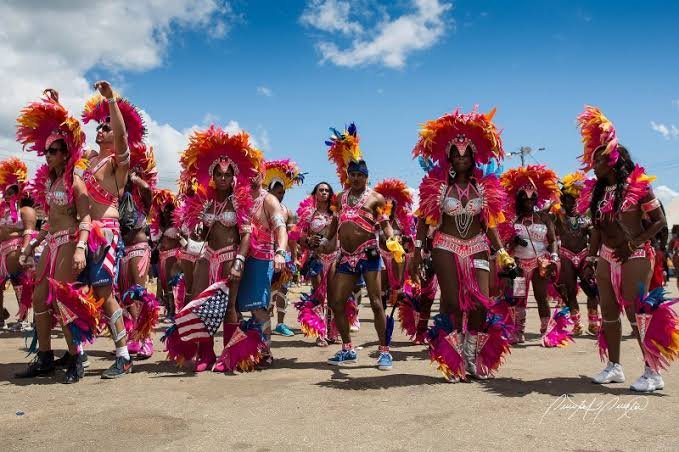
The twin-island Republic of Trinidad and Tobago stands as a premier beacon of rich cultural expression and artistic excellence in the Caribbean, anchored by its vibrant, world-renowned national traditions. Frequently celebrated across international diplomatic and cultural spheres as the “Greatest Show on Earth,” the main Trinidad Carnival represents an extraordinary convergence of history, artistic mastery, and national unity. While this flagship event reaches its magnificent crescendo in Port of Spain during the early months of the year prior to Ash Wednesday, the republic offers a diverse and continuous calendar of festivities. This includes the annual Tobago Carnival, held in October, which highlights the sister island’s distinct folk heritage, breathtaking coastal scenery, and unique community traditions. Additionally, dozens of Regional Carnivals managed across fifty-seven distinct communities by the National Carnival Commission ensure that traditional folk arts, stick-fighting rituals known as Kalinda, and historic re-enactments maintain a vibrant, enduring presence across every corner of the country year-round.
At the absolute heart of these national celebrations lies a dynamic musical landscape that functions as the emotional and rhythmic heartbeat of the twin islands. Calypso, the country’s foundational genre of melodic storytelling, historical narrative, and acute social commentary, provides an elevated platform for master poets to articulate complex societal dynamics with remarkable wit, poetry, and diplomatic subtlety. Evolving organically alongside Calypso is Soca—an energetic, highly infectious fusion of African and East Indian rhythms engineered to inspire collective movement, joy, and unity during street parades. Equally central to this musical ecosystem is the steel pan, historically recognized as the only acoustic musical instrument invented during the twentieth century. The instrument reaches its artistic zenith during the annual National Panorama competition. Established in 1963 and hosted at the historic Queen’s Park Savannah in Port of Spain, Panorama is globally recognized as one of the most complex steel orchestra competitions in existence. The event features massive conventional bands comprising up to 120 pannists performing intricate, highly structured ten-minute symphonic arrangements crafted by world-class musical directors.
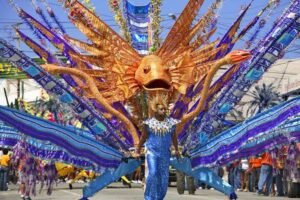
The visual brilliance of the festival is defined by extraordinary design, architectural craftsmanship, and intricate costume creation. Masquerade bands, universally referred to as “mas,” are broadly divided into traditional historical forms and modern grand pageantry. Traditional masquerade showcases iconic archetypes deeply rooted in national folklore, such as the majestic MokoJumbie stilt-walkers who historically symbolize spiritual protection, the eloquent Midnight Robbers with their dramatic monologues, Sailor Mas, Pierrot Grenade, and elaborate Fancy Indians. In contrast, contemporary “Pretty Mas” features magnificent, shimmering costumes adorned with vibrant streams of feathers, imported crystals, gold filigree, and mirror work.
The main street festival officially commences in the peaceful pre-dawn hours of Carnival Monday with J’ouvert—a French creole term derived from jour ouvert, meaning “daybreak.” This deeply symbolic and exhilarating ritual involves thousands of participants covering themselves in natural mud, dark cocoa powder, body paint, and fine clay as they move rhythmically through the streets to the resonant sounds of brass bands and sound systems. J’ouvert pays profound homage to ancestral history and emancipation, inviting all participants, regardless of social status or nationality, to set aside worldly distinctions and join together in total communal harmony and shared human experience. As the morning sun ascends, J’ouvert seamlessly transitions into the daylight parades, steadily building energy toward the magnificent climax of Carnival Tuesday.
On Carnival Tuesday, the grand Parade of the Bands takes complete possession of major urban centers, transforming capital city streets into miles of open-air theaters. Tens of thousands of masqueraders, organized into massive bands that frequently exceed thousands of members each, take to the streets in full, radiant regalia. Revelers dance, wave vibrant flags, and leap in unified celebration, accompanied by custom-built mobile music trucks featuring live performers and high-fidelity sound systems.
Beyond the sheer joy of street celebration, the competitive element of Trinidad and Tobago’s Carnivals nurtures exceptionally high standards of creative excellence. Prestigious national awards and significant financial prizes are rigorously contested across several official categories supervised by state cultural organizations. The coveted Band of the Year title is awarded to the masquerade organization that demonstrates superior craftsmanship, thematic originality, structural costume design, and overall presentation as evaluated at official venue judging points. In the realm of vocal artistry, top calypsonians compete for the distinguished Calypso Monarch title during the legendary Dimanche Gras production. Concurrently, the Road March title is bestowed upon the musical composer whose song is played most frequently as bands pass the official judging stages on Carnival Monday and Tuesday.
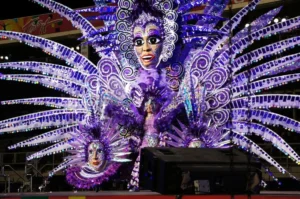
The influence of Trinidad and Tobago’s Carnival extends far beyond its physical geography. The twin islands’ cultural architecture has inspired dozens of Caribbean-style carnivals in major global capitals, including London’s Notting Hill Carnival, New York’s Labor Day Parade, and Toronto’s Caribana. As a proven vehicle for cultural diplomacy, these historic celebrations foster cross-cultural dialogue, promote international tourism, drive the global creative economy, and serve as an enduring symbol of peace, multicultural harmony, and artistic genius on the global stage.