

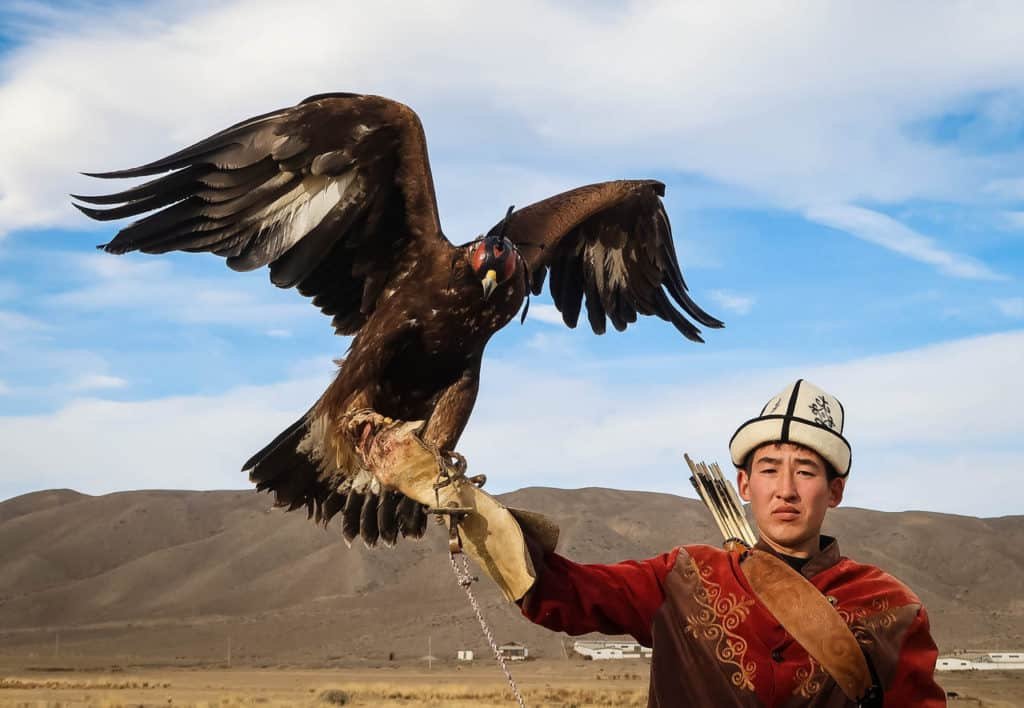
Every year on March 5, Ak Kalpak Day is celebrated in Kyrgyzstan, honoring one of the most important symbols of the Kyrgyz people. The first Ak Kalpak Day was observed unofficially in 2011, and in 2016 it was formally recognized by the government. Later, in 2019, the ak kalpak was inscribed on the UNESCO Representative List of the Intangible Cultural Heritage of Humanity under the title “Traditional methods of making and wearing Kyrgyz men’s headdresses.” Ak Kalpak (or ak-kalpak) means “white hat” in English; “Ak” signifies white, pure, or sacred, while “kalpak” is a general term for this type of felt hat.
The ak kalpak or simply kalpak is a traditional men’s headdress made of felt. Its white color symbolizes purity of intention and nobility. As described in the Epic of Manas, its shape resembles the snow-capped peaks of the Tian Shan Mountains, one of the most iconic features of the Kyrgyz landscape.
Widely recognized as a key element of Kyrgyz cultural heritage, the kalpak originates from the nomadic lifestyle of the Kyrgyz people. It has long served both practical and symbolic purposes: protecting the wearer from harsh weather conditions, cold winds, rain, and the intense sun of the Central Asian steppes, while also representing national identity and tradition.

At first glance, the kalpak appears simple in design. However, its structure and materials reflect centuries of cultural development. Made from white felt, it is lightweight yet durable, making it ideal for nomadic life. Its construction allows it to be folded and carried easily without losing its shape, an essential feature for people who historically spent long periods traveling on horseback.
Traditionally, the kalpak has been closely associated with male dignity and social conduct. Wearing it implied a sense of responsibility and respect for community values. Elders often emphasized that a man’s behavior should reflect the honor associated with the kalpak.
In Kyrgyz tradition, mothers sometimes placed a kalpak on their sons as a symbolic gesture during upbringing, expressing hopes that they would grow into responsible and courageous members of society. In this way, the headdress came to represent the continuity of cultural values across generations.
The kalpak also features prominently in historical narratives and folklore. During times of conflict, Kyrgyz warriors were often depicted wearing kalpaks as they rode into battle, sometimes invoking the legendary hero Manas. This association further strengthened the kalpak’s symbolic role as an emblem of heritage and resilience.