

Polish cuisine is a delicious reflection of the country’s history, landscape, and enduring traditions. Shaped by centuries of cultural exchange and the changing seasons, it is known for hearty portions, comforting flavours, and ingredients drawn from forests, farms, rivers, and gardens. From family kitchens to bustling city restaurants, food remains an important way to bring people together and celebrate Polish identity.
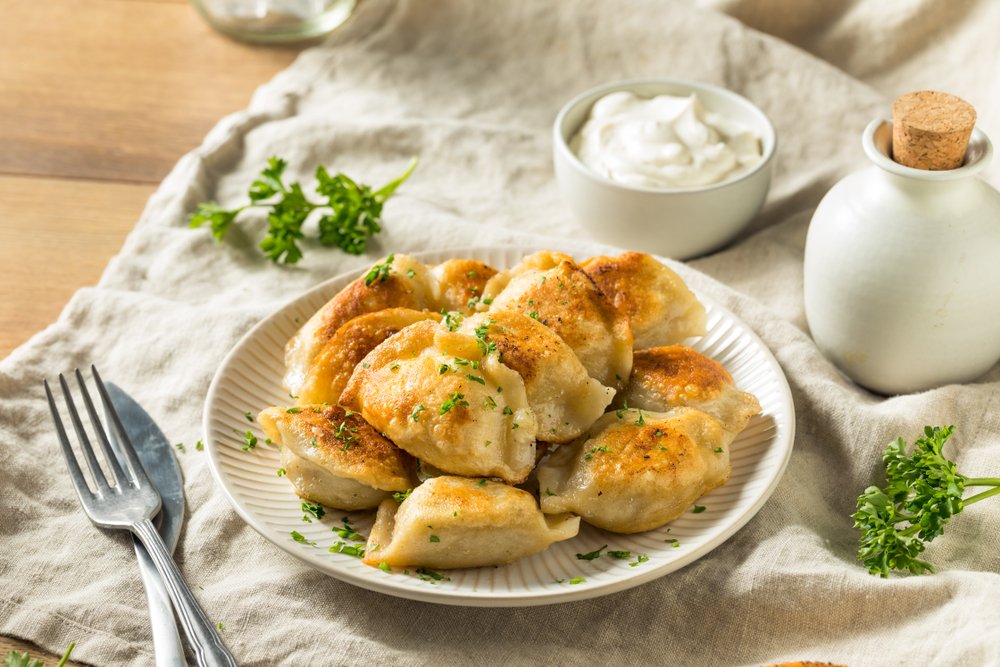
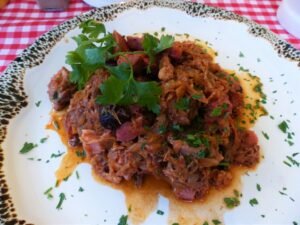
One of Poland’s best-loved dishes is pierogi—soft dumplings filled with ingredients such as potato and cheese, sauerkraut and mushrooms, meat, or seasonal fruit. They may be boiled and served with butter, fried until golden, or topped with sour cream and fried onions. Another staple is bigos, often called hunter’s stew. Made with sauerkraut, fresh cabbage, and meat, it is slowly cooked to develop a rich, savoury flavour. Recipes vary between households, and the dish is especially popular during colder months and festive gatherings.

Soups are central to the Polish table. Żurek, a tangy soup made from fermented rye flour, is often served with sausage and egg. Barszcz, a deep-red beetroot soup, can be enjoyed in different forms, including a clear version served with small mushroom-filled dumplings. Other favourites include rosół, a clear chicken broth traditionally served for Sunday lunch, and kapuśniak, a warming cabbage soup. These dishes show how simple ingredients can become deeply satisfying meals.

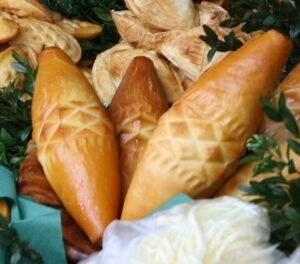
Poland’s regions bring their own distinctive flavours. Along the Baltic coast, fish—especially herring and cod—features prominently, often smoked, pickled, or served with potatoes. In the Masurian Lake District, freshwater fish reflects the area’s lakes and waterways. The mountainous south is known for smoked sheep’s cheese called oscypek, traditionally made in the Podhale region, as well as filling dishes suited to a cooler climate. In Greater Poland, pyry z gzikiem—potatoes served with a fresh cheese mixture—offers a simple local favourite. Silesia is famous for kluski śląskie, round potato dumplings with a small indentation, commonly served alongside meat and gravy.
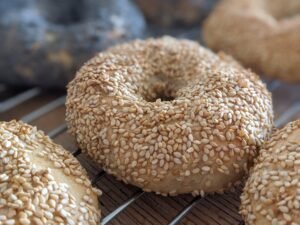
Polish food traditions also include an abundance of breads, pickles, preserves, and seasonal produce. Fermentation and pickling help preserve vegetables through winter, while mushrooms, berries, apples, and plums feature in both savoury dishes and desserts. Pączki, rich doughnuts traditionally filled with jam, are especially associated with the pre-Lenten celebration of Fat Thursday. Makowiec, a rolled cake filled with poppy seeds, is a familiar treat at Christmas and other special occasions.
Today, Polish cuisine continues to evolve. Chefs are reimagining traditional recipes, local producers are gaining recognition, and restaurants are pairing regional ingredients with modern techniques. Yet the heart of the cuisine remains unchanged: generous hospitality, seasonal cooking, and recipes passed from one generation to the next. Exploring Poland through its food is more than a culinary adventure—it is a chance to experience the country’s diverse regions, history, and warm culture, one memorable meal at a time.