

Poland has developed into an attractive destination for film production because of its combination of historic architecture, modern cities, natural landscapes, experienced film professionals and supportive production infrastructure. From medieval town squares and castles to mountains, forests, lakes and Baltic Sea beaches, Poland offers a wide range of visual settings within a relatively compact geographical area. The Polish Film Commission describes the country as offering historic European architecture, contemporary urban environments, forests, mountains and coastline, supported by experienced crews and production services.

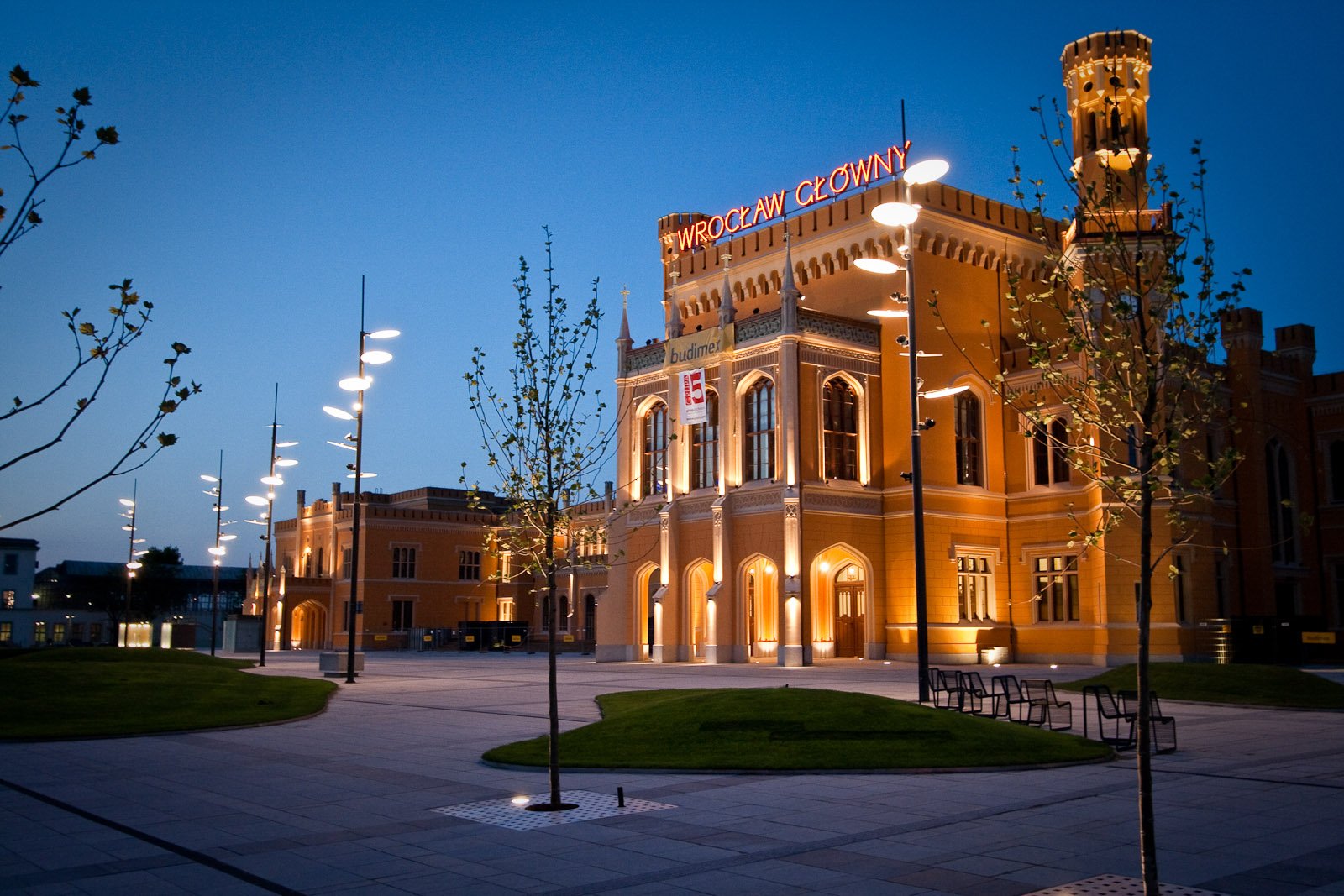
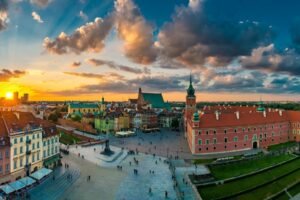
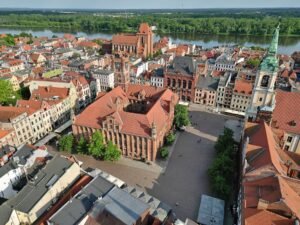
The scope for filming in Poland is particularly broad because the country can represent many different periods and geographical environments. Historic cities such as Kraków, Warsaw, Gdańsk and Wrocław provide locations for period dramas, historical films and contemporary productions. Kraków is famous for its medieval Old Town, Wawel Castle and historic Kazimierz district. Warsaw offers a mixture of historic streets, modern architecture and reconstructed heritage areas. Gdańsk provides distinctive Baltic architecture, waterfront settings and historic streets, while Wrocław combines bridges, rivers, palaces, churches, industrial buildings and modern cityscapes. Regional film commissions maintain location databases to help producers identify suitable sites. The Kraków Film Commission, for example, lists locations ranging from castles, museums and historic buildings to mountains, lakes, restaurants and urban spaces.
Poland’s natural scenery further increases its appeal as a filming destination. The southern part of the country includes the Tatra and Karkonosze mountains, while northern Poland provides Baltic Sea beaches and coastal landscapes. The country also has forests, lakes, rivers, national parks and countryside locations. The Wrocław Film Commission’s location database includes places such as Książ Castle, the Karkonosze Mountains, Śnieżka, Kłodzko Fortress, parks, rivers, palaces and historic churches. This variety allows filmmakers to create different visual worlds without travelling long distances between countries or regions.
Poland also offers an increasingly well-developed production infrastructure. The Polish Film Commission, operating within the Polish Film Institute, serves as a central contact point for international productions. It connects filmmakers with regional film commissions, locations, local crews and production-service companies. Regional commissions operate in cities and regions including Gdańsk, Gdynia, Lower Silesia, Lublin and Łódź, providing practical assistance to productions.
One of the most important advantages for international filmmakers is Poland’s financial incentive system. Poland offers a 30% cash rebate on eligible production expenditure incurred in the country. The scheme is available for feature films, series, documentaries, animation, international co-productions and service productions. The programme is funded from the state budget and operated by the Polish Film Institute. The annual budget is PLN 108 million, while the maximum support for an individual project is PLN 15 million. This incentive makes Poland financially attractive for both Polish and international film productions.
Hotels, resorts and tourism facilities also form an important part of Poland’s filming ecosystem. Major cities such as Warsaw and Kraków provide a large selection of hotels, restaurants, conference facilities and transport services suitable for film crews. Kraków’s film-location database specifically includes accommodation options alongside locations such as historic buildings, restaurants and urban spaces. Outside the major cities, Poland offers mountain resorts, lakeside accommodation, Baltic Sea resorts, historic manor houses and palace hotels. These facilities can serve not only as accommodation for actors and production teams but also as filming locations.
The country’s tourism infrastructure adds further value to film production. A production team can combine filming in historic cities with mountain, countryside or coastal locations. Resorts in areas such as Zakopane and the Tatra Mountains provide opportunities for films requiring mountain scenery, while Baltic destinations such as Sopot, Gdańsk and Gdynia offer seaside environments. Historic castles and palaces in Lower Silesia provide settings for period productions and fantasy films. This combination of accommodation, transport, restaurants and diverse locations creates a practical environment for film crews.
Poland has a particularly impressive cinematic heritage. Polish cinema has produced internationally recognised directors and films, including Andrzej Wajda, Krzysztof Kieślowski, Roman Polański and Agnieszka Holland. Their work has contributed significantly to the international reputation of Polish cinema. Polish films frequently explore themes of history, identity, family, social change and cultural memory, allowing international audiences to discover different aspects of the country’s heritage.
One of the most internationally famous films connected with Poland is Schindler’s List (1993), directed by Steven Spielberg. Much of the film was shot in Kraków, including locations in the historic Kazimierz district and areas associated with Oskar Schindler. Kraków’s architecture and historic environment played an important role in recreating the atmosphere of wartime Poland. The film brought international attention to Kraków’s historical locations and demonstrated the power of Polish locations to communicate history and cultural memory to a worldwide audience.

Another important film is The Pianist (2002), directed by Roman Polański and based on the memoir of Polish-Jewish pianist Władysław Szpilman. Several scenes were filmed in Warsaw, including the historic Praga district and other parts of the city. Warsaw’s preserved historic buildings and streets helped the production recreate the appearance of the city during the Second World War. The film went on to receive major international recognition, including three Academy Awards.
Poland’s cinema also includes films that present the country’s landscapes and cultural identity in different ways. Cold War (2018), directed by Paweł Pawlikowski, received international acclaim and was nominated for three Academy Awards. The film presents Polish history and culture through a personal story that moves across several European locations. Polish cinema therefore provides not only entertainment but also a means of presenting the country’s history, music, architecture and social traditions to international audiences.
Film tourism is another important opportunity. When audiences recognise locations from successful movies, those places can become attractions in their own right. Visitors may explore Kraków’s Kazimierz district after watching Schindler’s List, or visit Warsaw locations connected with The Pianist. Historic buildings, streets, castles and landscapes can gain additional cultural visibility through cinema.
The relationship between cinema and Polish culture is particularly strong because locations themselves often carry historical meaning. A film set in a Polish castle, old town, railway station, industrial building or mountain village can introduce international audiences to architecture and traditions that may otherwise be unfamiliar. Film production therefore contributes to cultural exchange and helps promote Poland as both a creative destination and a tourism destination.