

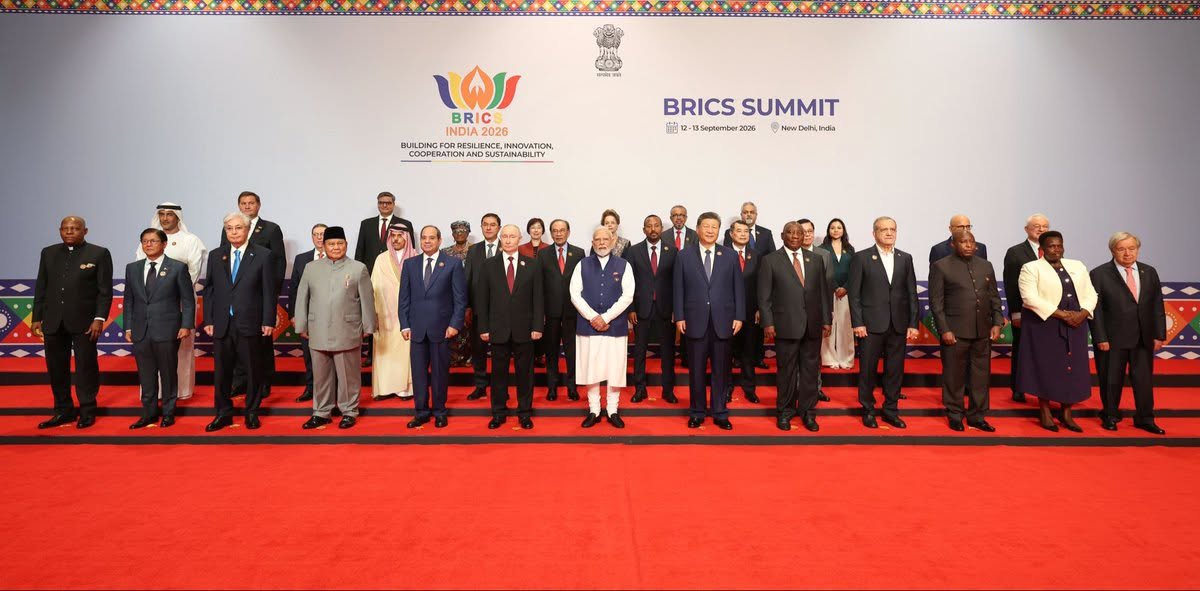
New Delhi: India hosted the 18th BRICS Summit in New Delhi on September 12–13, bringing together leaders of the expanded BRICS grouping at a pivotal moment for global diplomacy. The summit placed the Global South, multilateralism, economic resilience, innovation and sustainable development at the centre of discussions, highlighting the growing role of emerging economies in shaping the international agenda.
New Delhi Declaration Strengthens Global South Voice
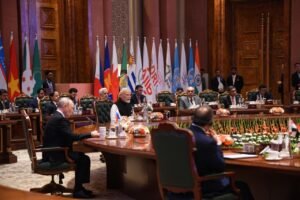
The summit culminated in the adoption of the New Delhi Declaration, reaffirming BRICS members’ commitment to sovereign equality, mutual respect, cooperation and a more representative international system. Leaders discussed strengthening multilateral institutions and ensuring developing countries have a greater voice in global decision-making. India’s focus on inclusive and practical cooperation remained a defining feature of its BRICS Chairship.
BRICS Leaders Gather in New Delhi
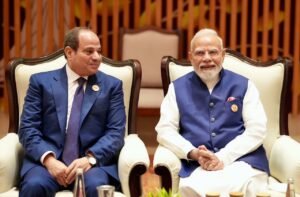
The 18th BRICS Summit brought together leaders from the expanded grouping, including Prime Minister Narendra Modi of India, President Luiz Inácio Lula da Silva of Brazil, President Vladimir Putin of Russia, President Xi Jinping of China, and President Cyril Ramaphosa of South Africa. The expanded BRICS grouping also includes Egypt, Ethiopia, Iran, the United Arab Emirates and Indonesia, reflecting the organisation’s growing geographical and economic reach. The participation of leaders from these diverse regions underlined BRICS’ evolving role as a platform for dialogue, cooperation and a stronger voice for the Global South.
Trade and Finance Take Centre Stage
Trade, investment and financial cooperation featured prominently in the summit discussions. BRICS members addressed challenges including protectionism, global supply-chain disruptions and the need for a stable international trading environment. The role of the New Development Bank and greater financial cooperation were also highlighted as important tools for supporting infrastructure and sustainable development across emerging economies.
AI and Innovation Shape the Future
Technology emerged as another major pillar of BRICS 2026. Leaders recognised the transformative potential of artificial intelligence, digitalisation, innovation, robotics and advanced manufacturing. Discussions on AI reflected the growing importance of ensuring developing economies participate actively in the global technology revolution. Cooperation in science, research, skills and digital connectivity was also highlighted as essential for inclusive growth.
Security, Climate and Sustainable Development
The summit also addressed pressing global security and geopolitical challenges, including terrorism, regional conflicts and tensions in West Asia. BRICS leaders reiterated the importance of international law, dialogue and peaceful resolution of disputes. Climate change and sustainable development remained key priorities, with members emphasising resilient infrastructure and development approaches that balance economic growth with environmental responsibility.
India Passes the BRICS Baton to China
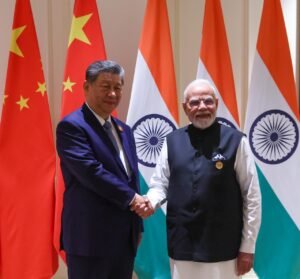
With India’s BRICS Chairship concluding, the grouping moves into its next phase under China’s Chairship in 2027. The New Delhi Summit demonstrated that despite differences among its diverse members, BRICS can provide an important platform for dialogue and cooperation. As the grouping continues to expand its influence, its biggest test will be turning the commitments made in New Delhi into concrete initiatives delivering meaningful outcomes for its members and the wider Global South.
What Comes Next for BRICS?
The biggest question after New Delhi is not what BRICS discussed—but what BRICS will deliver. The grouping now has greater geographical reach, economic weight and political significance than ever before. Its challenge will be to transform declarations into projects, dialogue into cooperation and collective ambitions into measurable results.If BRICS can successfully deepen cooperation in trade, finance, technology, AI, development and people-to-people relations, its influence on the international system could continue to grow.