

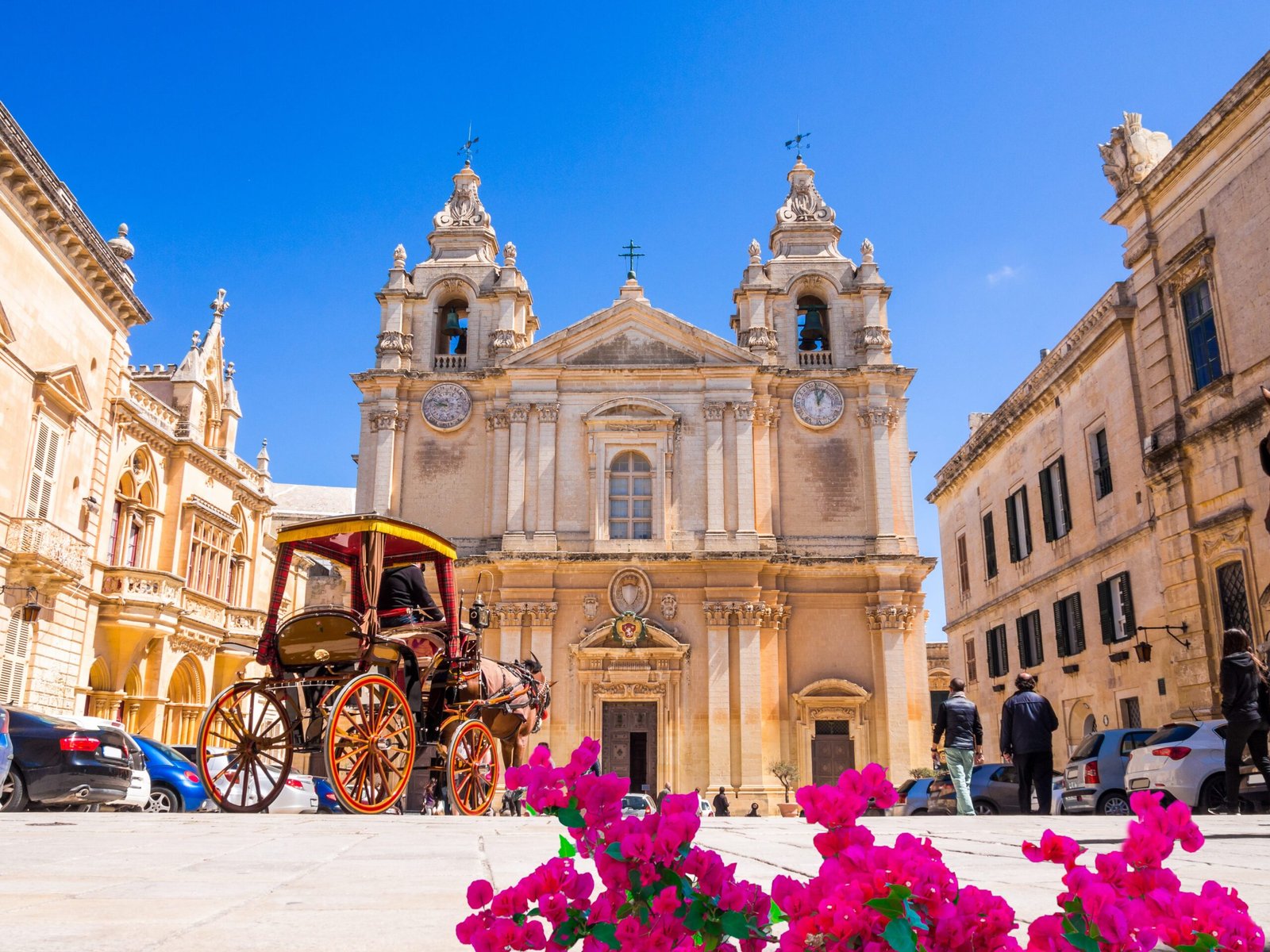
Malta, a captivating island nation nestled in the heart of the Mediterranean, is a destination that seamlessly blends ancient history, vibrant culture, and stunning landscapes. Renowned for its warm hospitality, crystal-clear waters, and archaeological wonders, Malta offers an unforgettable experience for every traveler. Whether you’re exploring millennia-old temples, relaxing on sun-kissed beaches, or wandering through charming towns, Malta promises a journey filled with discovery and delight.
A Heritage That Spans Millennia
With over 7,000 years of history, Malta is a living museum. Its strategic location has made it a crossroads of civilizations, leaving behind a treasure trove of archaeological and architectural marvels. The “Ġgantija Temples” on Gozo are among the world’s oldest free-standing structures, dating back to around 3600 BC. The ancient megalithic temples of Hagar Qim and Mnajdra, UNESCO World Heritage Sites, showcase Malta’s prehistoric ingenuity and spiritual life.
Walking through the fortified city of Valletta, a UNESCO World Heritage Site, visitors can admire Baroque architecture, grand fortifications, and historic sites such as the majestic “St. John’s Co-Cathedral”, home to masterpieces by Caravaggio. The medieval city of Mdina, known as the “Silent City,” offers a step back in time with its narrow streets and historic charm.
UNESCO World Heritage Sites in Malta
Malta’s rich history and cultural heritage are celebrated through a remarkable collection of UNESCO World Heritage Sites. Beyond the well-known temples and Valletta, several other sites highlight Malta’s diverse past and architectural ingenuity:
1. Mdina and its Old City
While Mdina itself is a UNESCO site, the Medina Gate, an impressive entrance to the city, is also recognized for its historical significance. The gate, built in the 18th century, serves as a grand gateway into Malta’s medieval heart. Walking through Mdina’s narrow streets, visitors encounter baroque palaces, churches, and museums that reflect Malta’s noble past and its strategic importance during medieval and colonial times.
- 2. Fortifications of Malta
Malta’s extensive fortifications, including bastions, walls, and towers, form a UNESCO-listed ensemble representing centuries of military architecture. Notable examples include:
- Fort Saint Angelo in Birgu, which played a crucial role during the Great Siege and served as the headquarters for the Knights of St. John.
- The Rabat and Mdina Walls, which protected the ancient settlements.
- The Wignacourt Towers along the coast, built between 1610 and 1620, to defend against Ottoman and pirate attacks.
These structures are vital testimonies to Malta’s strategic military importance across different historical periods.
- 3. The Megalithic Temples (Ggantija, Hagar Qim and Mnajdra, Tarxien)
These prehistoric temples are among the world’s oldest free-standing stone structures, dating from around 3600 BC to 2500 BC. They are recognized for their sophisticated construction and astronomical alignments, revealing Malta’s early religious and ceremonial practices:
Ggantija Temples (Gozo) are the oldest and most prominent.
Hagar Qim and Mnajdra (Malta), with their intricate stonework and alignment with solstices and equinoxes.
Tarxien Temples, known for their detailed carvings and complex layout.
These sites illustrate Malta’s importance in early European civilization and its advanced prehistoric culture.
- 4. The Hypogeum of Hal-Saflieni
This underground prehistoric necropolis, dating back to around 4000 BC, is a UNESCO World Heritage Site renowned for its remarkable preservation and unique construction. The Hypogeum features intricate chambers and passageways carved from limestone, believed to have been used for religious and ritual purposes. Its acoustics and architecture continue to fascinate archaeologists and visitors alike.
- 5. The Villa of the Mysteries
Malta’s numerous ancient tombs and burial sites, including the “Xaghra Stone Circle” in Gozo, reflect the island’s complex prehistoric religious beliefs and social organization. These archaeological sites are essential for understanding Malta’s early spiritual life.
A Heritage That Spans Millennia
Malta’s archaeological sites are among the most significant in the world. The megalithic temples, such as Ggantija on Gozo, are older than Stonehenge and the Egyptian pyramids, emphasizing Malta’s importance in prehistoric Europe. The temples’ sophisticated construction and astronomical alignments reveal early religious and cultural practices.
Beyond temples, Malta boasts a wealth of forts, watchtowers, and medieval structures that narrate its turbulent history of defense and resilience against invaders and empires.
The Charm of Mdina and Historic Towns
Perched atop a hill in the center of Malta, Mdina is a beautifully preserved medieval city that exudes history and tranquility. Its narrow winding streets, ancient walls, and stunning vistas make it a must-visit. At night, Mdina transforms into a magical setting, perfect for romantic strolls and fine dining.
Other historic towns like Rabat and Vittorioso (Birgu) offer insights into Malta’s medieval and maritime past, with museums, churches, and bustling markets adding to their charm.
Fortifications and Military Heritage
Malta’s strategic military significance is evident in its impressive array of forts and defensive structures. Fort St. Elmo in Valletta played a pivotal role during the Great Siege of 1565 and now hosts Malta’s National War Museum. The Wignacourt Towers along the coast served as early warning points against invasions.
Exploring these sites reveals Malta’s resilience and strategic importance through centuries of conflict and defense.
A Glimpse into Malta’s Prehistoric Past
Malta’s prehistoric era is vividly represented through its ancient temples and underground sites. The “Hagar Qim” and “Mnajdra” temples are exceptional examples of early religious architecture, while the “St. Paul’s Catacombs” and “Rabat Dungeons” showcase early Christian and medieval history.
These archaeological sites continue to fascinate visitors with their age-old mysteries and sophisticated construction techniques.
Museums and Cultural Experiences
Malta’s museums offer a deeper understanding of its diverse heritage. The “National Museum of Archaeology” in Valletta displays artifacts from prehistoric times, including statues, tools, and pottery. The “Malta Maritime Museum” explores the island’s seafaring legacy, while the “Inquisitor’s Palace” provides insight into Malta’s religious history.
Art enthusiasts can admire Baroque masterpieces in the “St. John’s Co-Cathedral Museum”, featuring works by Caravaggio and other artists.
Explore Gozo: Malta’s Tranquil Sister Island
A short ferry ride from Malta, Gozo beckons with its rural charm, scenic landscapes, and historic sites. The “Citadella” in Victoria offers panoramic views and medieval architecture, while the “Ggantija Temples” reveal Malta’s ancient spiritual roots.
Relax on the sandy beaches of Ramla Bay, dive in the Blue Hole at Dwejra, or explore the island’s picturesque villages. Gozo’s peaceful atmosphere makes it ideal for nature lovers and those seeking a slower pace.
Natural Wonders and Marine Adventures
Malta’s stunning coastline is dotted with caves, grottoes, and pristine beaches. The “Blue Grotto” is famous for its vibrant blue waters, best explored by boat. The island’s underwater world is a diver’s paradise, with wrecks like the P31 and Dwejra Bay’s reefs attracting enthusiasts from around the globe.
Snorkeling, kayaking, and boat trips are popular ways to enjoy Malta’s marine beauty, while water sports such as windsurfing and stand-up paddleboarding are widely available.
 The Mediterranean Sea: Beaches and Water Sports
Malta’s warm climate and clear waters make it a haven for beach lovers. Golden Bay, Mellieħa Bay, and Paradise Bay offer soft sands and inviting waters perfect for swimming, sunbathing, and water sports. The island’s lively marinas and harbors, including Marsaxlokk, host boat trips, sailing excursions, and luxury yacht charters that reveal Malta’s maritime charm.
Adventure and Outdoor Activities
Beyond the water, Malta offers a variety of outdoor pursuits. Rock climbing, mountain biking, hiking, and paragliding are popular among adventure seekers. The island’s diverse terrain and scenic trails provide excellent opportunities to explore Malta’s natural beauty.