


Malta has emerged as an attractive European study destination for international students seeking high-quality education in a multicultural environment. Located in the Mediterranean region, Malta offers internationally recognized degrees, English-taught programs, and a welcoming academic community. Over the years, the country has invested significantly in higher education infrastructure, creating opportunities for students from Europe, Asia, and other parts of the world. With modern campuses, experienced faculty, and strong links to European academic networks, Malta has positioned itself as a growing hub for international education.
One of the major advantages of studying in Malta is the language of instruction. English is one of the official languages of the country and is widely used in universities, government
institutions, and everyday communication. This makes the transition easier for international students, especially those from countries where English is widely spoken. Maltese is also an official language and is commonly heard in local communities, giving students a chance to experience the country’s unique linguistic heritage. The combination of English instruction and Maltese cultural exposure creates a distinctive academic and cultural environment.
Higher education in Malta is offered through a number of public and private institutions that provide a wide range of courses. The country’s education system is aligned with European academic standards, and degrees are structured according to the European Qualifications Framework. This ensures that qualifications earned in Malta are recognized across Europe and many other parts of the world. Students can pursue undergraduate, postgraduate, and research programs in diverse fields such as information technology, business administration, finance, hospitality management, engineering, health sciences, and creative arts. Popular courses among international students include IT, business, economics, and hospitality management, reflecting Malta’s growing sectors in technology, tourism, and financial services.
Among Malta’s most prominent institutions is the University of Malta, the country’s oldest and largest university. Established in the eighteenth century, the university has developed into a comprehensive institution offering hundreds of degree programs across disciplines including science, engineering, medicine, law, humanities, and social sciences. The university attracts students from more than one hundred countries and provides modern research facilities, libraries, and laboratories. It also collaborates with European universities through exchange programs and joint research initiatives, strengthening its global academic reputation.
Another major institution is the Malta College of Arts, Science and Technology, widely known as MCAST. This public institution focuses on vocational and applied education and offers programs ranging from diplomas to full bachelor’s degrees. MCAST is particularly known for courses in engineering, information technology, creative media, and business studies.
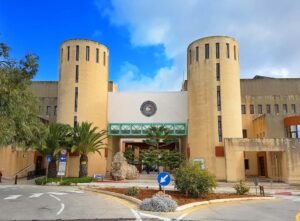

Malta also hosts several private higher-education institutions that contribute to the country’s diverse academic environment. One of these is IDEA Academy, which focuses on modern academic programs designed to meet global industry demands. The institution offers courses in fields such as digital technology, entrepreneurship, management, and creative industries. Another private institution that attracts international students is the American University of Malta, which provides American-style degree programs.
In addition to universities, Malta also has specialized institutes and training centers offering professional courses and diplomas. These institutions focus on sectors where Malta has strong economic activity, such as tourism management, financial services, maritime studies, and digital technologies. This wide range of academic options allows students to select programs that match their interests and career goals.
The learning environment in Malta is further enhanced by modern facilities and student services. Universities provide well-equipped classrooms, laboratories, computer centers, libraries, and research facilities that support academic excellence. Many institutions also offer accommodation services, student support programs, and career counseling. International students often benefit from orientation programs that help them adapt to the new academic and cultural environment.
Scholarships and financial assistance schemes have made studying in Malta more accessible for international students. The Maltese government and universities offer several scholarship programs that support academic excellence and research development. These include the Malta Government Scholarship Scheme, Endeavour Scholarships, and the Tertiary Education Scholarships Scheme, which provide partial or full financial support for postgraduate studies. These programs may cover tuition fees, research expenses, or living allowances for eligible students.
Universities also provide merit-based scholarships and tuition fee reductions for international students, including those from India. Some scholarships can range from approximately €2,000 to €5,000 per year depending on academic performance and eligibility criteria. In addition, European initiatives such as Erasmus+ enable students to study in Malta for exchange semesters with financial assistance covering travel and living expenses.
Indian students have increasingly shown interest in studying in Malta due to the country’s English-medium education, safe environment, and growing economy. The number of Indian students studying in Malta has grown in recent years, and the country’s universities have established partnerships and collaborations that encourage academic exchanges. Many Indian students choose Malta for programs in information technology, business, hospitality management, and finance. According to education sector estimates, more than a thousand Indian students were studying in Malta by 2024, reflecting the growing popularity of the destination.
Another advantage for international students is the possibility of part-time work while studying. Malta allows students to work limited hours during their academic programs, helping them gain professional experience and support their living expenses. This combination of study and work opportunities makes Malta an attractive destination for those seeking both education and career exposure.
Life as a student in Malta also offers a unique cultural experience. The country is known for its historic cities, Mediterranean landscapes, and vibrant cultural festivals. Students often explore historical landmarks, beaches, and cultural events during their stay. This blend of academic learning and cultural discovery creates a well-rounded educational experience.
In recent years, Malta has continued to strengthen its reputation as an international education hub by promoting innovation, research, and global collaboration. Educational institutions are expanding programs in emerging fields such as digital technology, artificial intelligence, and sustainable development. Through partnerships with European universities and international organizations, Malta aims to provide students with modern knowledge and skills suited to the demands of the global economy.